Botanika
1 KG Sesban Fodder Shrub Seeds (Sesbania sesban) – Worldwide Shipping, Protein-Rich Livestock Forage |
1 KG Sesban Fodder Shrub Seeds (Sesbania sesban) – Worldwide Shipping, Protein-Rich Livestock Forage |
Verfügbarkeit für Abholungen konnte nicht geladen werden
Sesban Fodder Shrub Seeds (Sesbania sesban)
Protein-Rich Supplementary Forage
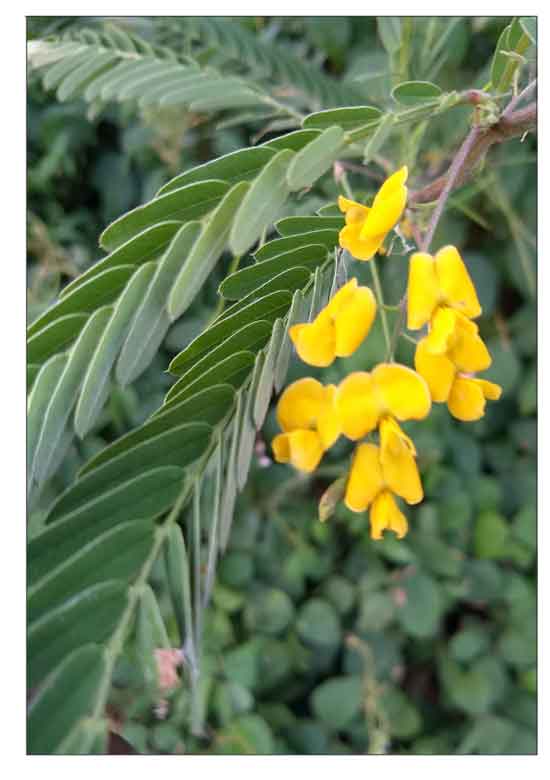
Sesbania sesban, commonly called Sesban, Common Sesban or is a fast-growing, short-lived perennial legume shrub. Its leaves and young branches are used as supplementary fodder for cattle, buffaloes, sheep and goats.
International Orders
Phytosanitary certification and trackable worldwide shipping are included in the price.
It is mainly managed as a cut-and-carry forage crop. It can also be planted as a protein bank, hedgerow, living fence, green-manure crop or soil-improvement plant.
Key Features
-
Fast-growing fodder shrub or small tree
-
Protein-rich leaves for ruminant livestock
-
Suitable for cut-and-carry feeding
-
Can provide several harvests each year
-
Fixes atmospheric nitrogen
-
Helps improve soil fertility
-
Tolerates a wide range of soils
-
Can tolerate temporary waterlogging
-
Useful in hedgerows and alley-cropping systems
-
Moderate tolerance to shade and light frost
Growth Characteristics
Sesbania sesban is a deep-rooted shrub or small tree that commonly grows approximately 2–4 metres tall, although it can grow taller under favourable conditions.
With correct cutting management, plants may remain productive for up to approximately five years. Cutting too frequently or too close to the ground can shorten their productive life.
Nutritional Value
The foliage generally contains approximately 25–30% crude protein on a dry-matter basis. It can provide useful supplementary protein when mixed with grasses, hay, straw or crop residues.
Protein content and digestibility vary according to the seed type, plant age, soil, climate and harvesting stage.
Growing Conditions
-
Climate: Tropical and subtropical regions
-
Rainfall: Commonly suited to areas receiving approximately 500–2,000 mm annually
-
Soil: Grows in sandy, clay, acidic, alkaline and moderately saline soils
-
Moisture: Tolerates temporary waterlogging and partial flooding
-
Sunlight: Full sunlight to moderate shade
-
Cold: Tolerates light frost but may be killed by heavy frost
Sowing and Establishment
Sesban seeds commonly have a hard, water-resistant seed coat. Scarification or careful pre-sowing treatment may be required for faster and more even germination.
Use only the treatment instructions supplied with the seed lot. Incorrect hot-water or chemical treatment can kill the seeds.
Suggested planting arrangements depend on the intended use:
-
Protein bank: Rows approximately 1–2 metres apart, with plants 25–50 cm apart
-
Living fence: Plants approximately 1–2 metres apart in a single row
-
Alley cropping: Hedgerows approximately 2–10 metres apart
Keep the soil moist during germination and early establishment. Avoid heavy cutting until the plants have developed strong stems and roots.
Harvesting
Begin harvesting when the plants reach approximately 1–2 metres in height.
Cut the plants back to approximately 75–100 cm above ground level, leaving some leaves and branches to support regrowth. Do not cut below 50 cm, as very low cutting can kill the plants.
Depending on climate and crop growth, up to approximately five harvests per year may be possible. More frequent cutting can reduce plant lifespan and future production.
Yield Potential
Under favourable conditions, dry-matter yields of up to approximately 20 tonnes per hectare per year have been reported. Only part of this material consists of edible leaves and young branches.
Actual yield depends on the seed type, rainfall, temperature, soil fertility, plant density and cutting management.
Suitable Uses
-
Supplementary cattle and buffalo fodder
-
Sheep and goat forage
-
Cut-and-carry livestock feeding
-
Protein-bank planting
-
Hedgerows and alley cropping
-
Living fences
-
Green manure
-
Mulch and soil improvement
-
Windbreaks and land rehabilitation
Direct grazing should be carefully controlled. Cattle may break the stems, while goats can damage or kill plants by stripping bark from the lower trunk.
Feeding Guidance
Use Sesbania sesban foliage only as part of a balanced ruminant ration. Introduce it gradually and mix it with grass, hay, straw or other fodder.
Do not allow it to exceed approximately 30% of the total ration dry matter without professional livestock-nutrition advice. High feeding levels have been associated with reproductive problems in female ruminants.
International Orders
Phytosanitary certification and trackable worldwide shipping are included in the price.
Share