Botanika
1 Kg Sesbania bispinosa Seeds, With Phytosanitary Certificate Livestock Fodder & Green Manure Seeds
1 Kg Sesbania bispinosa Seeds, With Phytosanitary Certificate Livestock Fodder & Green Manure Seeds
Verfügbarkeit für Abholungen konnte nicht geladen werden
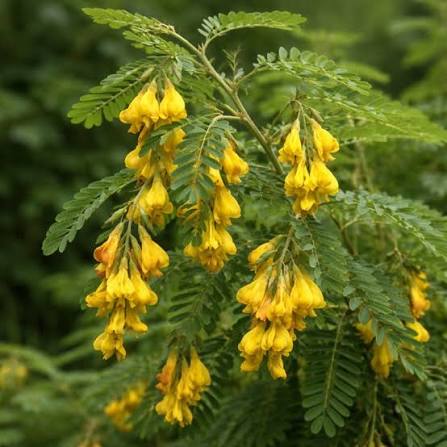
Dhaincha Seeds Sesbania bispinosa)
Fast-Growing Green Manure and Supplementary Livestock Fodder
Dhaincha, also known as Jantar or Prickly Sesban, is a fast-growing annual legume. It is mainly cultivated as a green-manure and soil-improvement crop. Its young leaves and tender shoots may also be used as supplementary fodder for cattle, buffaloes, goats and sheep.
International Orders
Phytosanitary certification and trackable worldwide shipping are included in the price.
Key Features
-
Fast-growing annual legume
-
Fixes nitrogen and improves soil fertility
-
Adds organic matter to the soil
-
Suitable for green manure and cover cropping
-
Young foliage can provide supplementary livestock fodder
-
Tolerates wet, saline and moderately dry conditions
-
Useful in rice fields, crop rotations and land-reclamation projects
-
Helps suppress weeds and reduce soil erosion
Fodder Use
Young leaves and tender shoots can be cut and fed to ruminant livestock. Dhaincha foliage should be mixed with grass or other regular fodder and introduced gradually. It should not be used as the animal’s only feed.
Do not feed untreated seeds, mature pods or excessive quantities of foliage. Sesbania contains natural anti-nutritional compounds, so buyers should consult a local livestock nutritionist before regular feeding.
Green-Manure Use
For green manure, sow approximately 50 kg of seed per hectare, or about 20 kg per acre. The crop is generally incorporated into the soil approximately 45–60 days after sowing, while the plants are still green and tender.
Allow the incorporated plant material enough time to decompose before planting the next crop.
Growing Conditions
-
Climate: Tropical and subtropical regions
-
Soil: Suitable for many soil types, including saline and alkaline soils
-
Water: Requires adequate moisture during germination
-
Sunlight: Full sunlight
-
Sowing method: Broadcast or sow in rows
-
Crop type: Annual legume
Growth, biomass production and harvest time depend on temperature, rainfall, soil, seed quality and crop management.
Main Uses
-
Supplementary green fodder
-
Green manure
-
Nitrogen-fixing cover crop
-
Soil improvement
-
Crop rotation
-
Weed suppression
-
Erosion control
-
Reclamation of saline and alkaline soils
International Orders
Phytosanitary certification and trackable worldwide shipping are included in the price.
Share