Botanika
1 kg Stylosanthes hamata Seeds – High-Protein Forage , International Shipping
1 kg Stylosanthes hamata Seeds – High-Protein Forage , International Shipping
Verfügbarkeit für Abholungen konnte nicht geladen werden
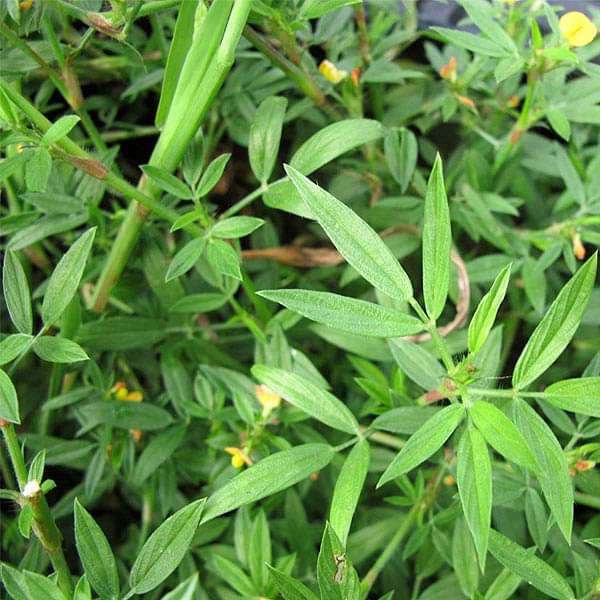
Stylosanthes hamata, commonly known as Caribbean Stylo grass or Stylo Hamata, is a tropical forage legume used in pastures, cut-and-carry feeding systems and hay production. It produces palatable, protein-rich forage for cattle, buffaloes, goats, sheep and other livestock.
Caribbean Stylo can be grown alone or combined with compatible pasture grasses. As a nitrogen-fixing legume, it can also help improve soil fertility and support sustainable pasture management.
Phytosanitary Certification and Trackable International Shipping Included in the Price
Key Features
-
Tropical forage legume suitable for livestock
-
Produces nutritious, palatable green fodder
-
Suitable for grazing, cut-and-carry feeding and hay
-
Can be mixed with compatible pasture grasses
-
Tolerates drought and seasonal dry conditions
-
Performs on various soil types, including relatively infertile soils
-
Helps improve soil nitrogen through biological nitrogen fixation
-
Useful for pasture development, erosion control and land rehabilitation
-
Tolerates grazing after successful establishment
Growth Characteristics
Caribbean Stylo is a branched, prostrate to semi-erect herbaceous plant that may grow up to approximately 75 cm tall. Depending on the cultivar and growing environment, it may behave as an annual, biennial or short-lived perennial.
It is best adapted to warm tropical environments. Plant growth may slow during cool weather, and the crop is sensitive to frost.
Climate and Soil
-
Climate: Warm tropical and subtropical regions
-
Preferred temperature: Best performance generally occurs in warm conditions
-
Rainfall: Approximately 500–2,000 mm annually; 700–900 mm is considered favourable
-
Soil: Adaptable to several soil types but generally unsuitable for heavy clay
-
Soil pH: Common cultivated types may grow at approximately pH 5.4–8.0
-
Drainage: Avoid prolonged flooding and poorly drained locations
-
Sunlight: Full sunlight is preferred; the crop has limited shade tolerance
Sowing Instructions
-
Prepare a clean, firm seedbed with good soil contact.
-
Sow near the soil surface and cover lightly.
-
A general sowing rate of approximately 1–4 kg per hectare may be used, depending on seed form, germination, planting method and local conditions.
-
Sow toward the end of the dry season or at the beginning of reliable rainfall.
-
Maintain adequate soil moisture during establishment.
-
Seed scarification or suitable pre-treatment may improve the germination of hard seed.
-
Inoculation with an appropriate Stylosanthes Rhizobium culture may support effective nodulation, particularly where Stylo has not previously been grown.
Grazing and Harvesting
Allow the plants to establish properly before intensive cutting or grazing. Where pasture regeneration depends on natural reseeding, permit the crop to flower and set seed during the establishment year.
For managed stands, grazing or cutting may begin around early flowering. Established plants can generally be grazed or cut at intervals of approximately four weeks during active growth, depending on rainfall, soil fertility and regrowth.
For better-quality hay, harvest while the crop remains green and leafy. Delayed harvesting may result in leaf drop and a higher proportion of stems.
Forage Yield
Dry-matter production in mixed pastures commonly ranges from approximately 1–7 tonnes per hectare, depending on rainfall, soil fertility, grass competition and grazing management. Higher yields may be possible in well-managed pure stands under favourable conditions.
Fertilizer and Maintenance
Although Caribbean Stylo can grow in soils of relatively low fertility, it often responds positively to phosphorus and sulphur. Fertilizer requirements should be determined through local soil testing and regional agricultural recommendations.
Control aggressive weeds and grasses during early establishment. Once established, appropriate grazing can help maintain a productive balance between Stylo and companion grasses.
Suitable Uses
-
Cattle and buffalo pastures
-
Goat and sheep forage
-
Cut-and-carry livestock feeding
-
Hay production
-
Mixed grass-legume pastures
-
Soil-fertility improvement
-
Erosion-control planting
-
Silvopasture and land-rehabilitation projects
Seed germination, persistence, yield and forage quality depend on the seed lot, cultivar, climate, soil, rainfall, fertilizer and crop management. Buyers should confirm local import regulations and regional suitability before ordering or planting.
Share