Botanika
1 kg Brachiaria mutica Seeds – World Wide Shipping , Para Grass, Buffalo Grass,
1 kg Brachiaria mutica Seeds – World Wide Shipping , Para Grass, Buffalo Grass,
No se pudo cargar la disponibilidad de retiro
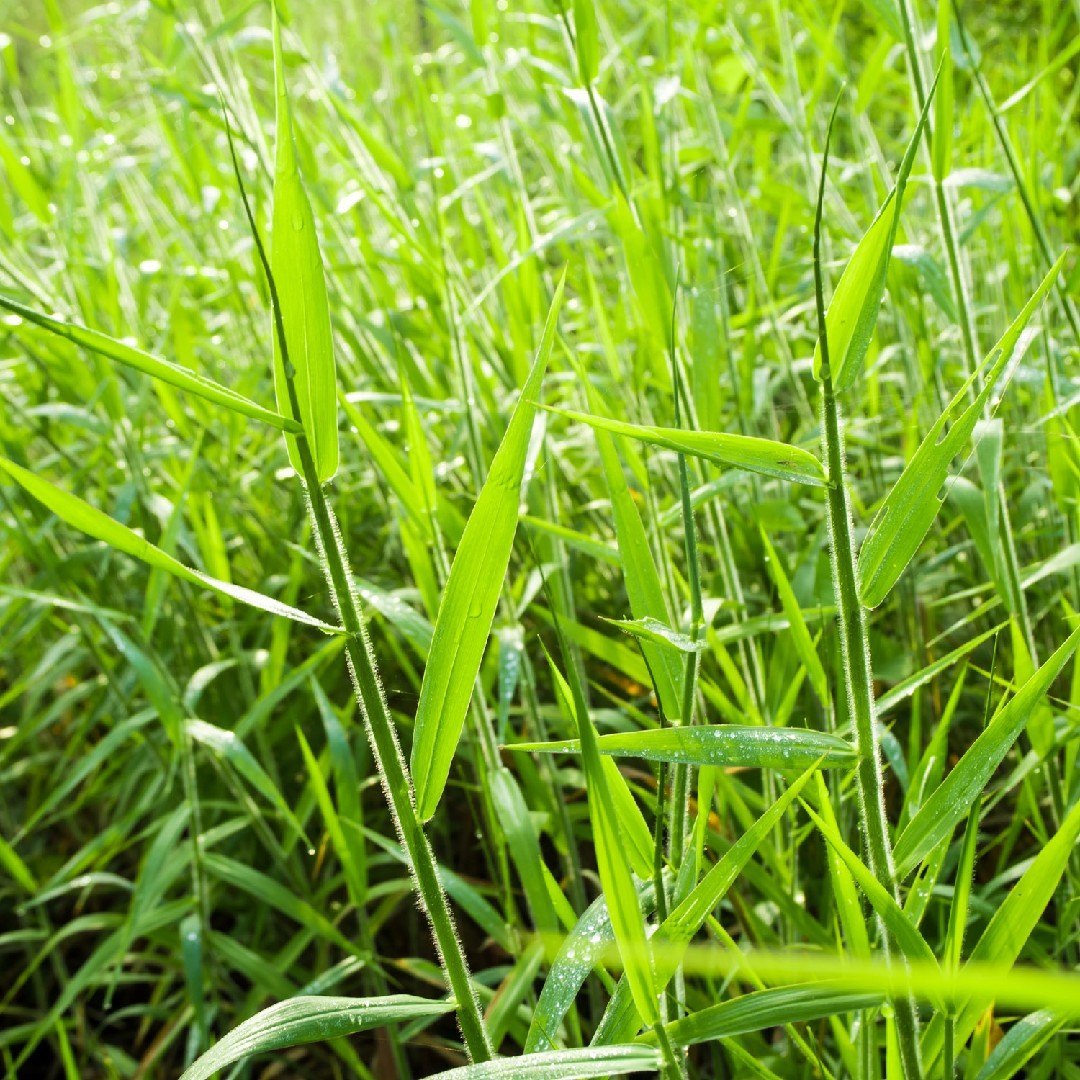
Brachiaria mutica, commonly known as Para Grass or Buffalo Grass, is a vigorous perennial tropical forage grass cultivated for feeding cattle, buffaloes, goats, and sheep. Its leafy growth produces palatable green fodder suitable for cut-and-carry feeding and controlled grazing.
Also botanically classified as Urochloa mutica, this grass performs particularly well in warm, humid regions with reliable moisture. It is suitable for moist fields, riverbanks, low-lying areas, and locations that experience seasonal waterlogging.
International Orders
Phytosanitary certification and trackable worldwide shipping are included in the price.
Key Features
Perennial tropical fodder and pasture grass
-
Suitable for cattle, buffaloes, sheep, and goats
-
Produces abundant, leafy green forage
-
Useful for grazing and cut-and-carry feeding
-
Spreads through creeping stolons after establishment
-
Regrows after cutting under suitable management
-
Adapted to tropical and subtropical climates
-
Performs well in moist and seasonally waterlogged soils
-
Helps provide soil cover and control erosion
Product specifications
| Attribute | Details |
|---|---|
| Product | Brachiaria mutica seeds |
| Accepted botanical name | Urochloa mutica |
| Common names | Para Grass, Buffalo Grass |
| Pack size | 1 kg |
| Crop type | Perennial tropical forage grass |
| Primary use | Green fodder, pasture and controlled grazing |
| Suitable livestock | Cattle, buffaloes, goats and sheep |
| Climate | Tropical and subtropical |
| Preferred conditions | Warm, humid areas with adequate moisture |
| Soil | Moist, fertile and low-lying soils |
| Propagation | Seeds and vegetative stem cuttings |
Sowing guidance
Prepare a clean, fine and moist seedbed. Sow the seeds shallowly and cover them with only a thin layer of soil, as deep sowing may reduce emergence. Maintain consistent moisture during germination without allowing the seedbed to dry completely.
Seed germination and establishment can vary depending on seed quality, temperature, moisture, soil preparation and local growing conditions. After establishment, the grass spreads through creeping stolons and forms dense forage cover.
Fodder use
Para Grass can be harvested as fresh green fodder or maintained as controlled pasture. Regular cutting encourages tender and leafy regrowth. Avoid allowing the crop to become excessively mature, as older stems become coarse and less palatable.
Introduce any new fodder gradually and provide it as part of a balanced livestock ration. Local agricultural or animal-nutrition guidance is recommended for determining suitable feeding quantities.
International orders
Seeds are available for bulk requirements and worldwide shipping. A phytosanitary certificate Will Be Provided With The order.
Share