Botanika
1 Kg Dhaincha Fodder Seeds,Sesbania aculeata Seeds Free Phytosanitary Certificate
1 Kg Dhaincha Fodder Seeds,Sesbania aculeata Seeds Free Phytosanitary Certificate
No se pudo cargar la disponibilidad de retiro
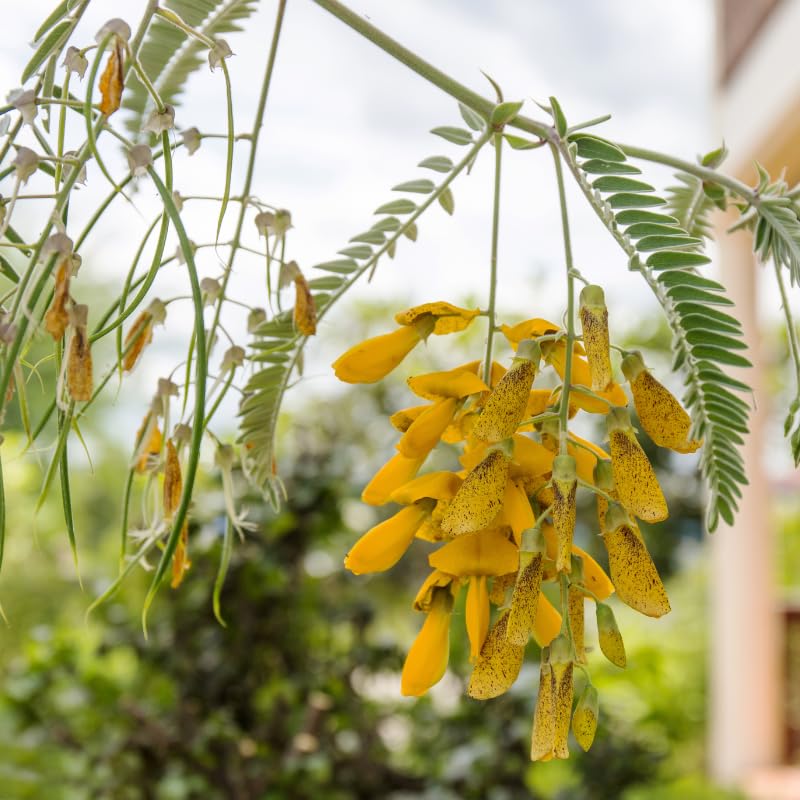
Dhaincha Fodder and Green Manure Seeds
Sesbania bispinosa
Synonym: Sesbania aculeata
Dhaincha is a fast-growing annual legume primarily cultivated as a green-manure and soil-improvement crop. Its young foliage may also be used as supplementary livestock fodder during periods of feed shortage. Dhaincha fixes atmospheric nitrogen, produces substantial green biomass and grows well in wet, heavy, saline and alkaline soils. It is especially useful in rice-based farming systems.
International Orders
Phytosanitary certification and trackable worldwide shipping are included in the price.
Key Features
-
Fast-growing annual legume
-
Mainly used as a green-manure crop
-
Young foliage can provide supplementary ruminant fodder
-
Fixes atmospheric nitrogen
-
Adds organic matter to the soil
-
Helps improve soil structure and moisture retention
-
Suitable for rice-based cropping systems
-
Tolerates wet and temporarily waterlogged soil
-
Can grow in moderately saline and alkaline conditions
-
Useful as a cover crop and for erosion control
Botanical Information
-
Accepted name: Sesbania bispinosa
-
Common synonym: Sesbania aculeata
-
Common names: Dhaincha, Daincha, Jantar and Prickly Sesban
-
Plant type: Fast-growing annual legume
-
Primary use: Green manure and soil improvement
-
Secondary use: Supplementary livestock forage
Growing Conditions
-
Climate: Warm tropical and subtropical regions
-
Season: Can be grown whenever sufficient soil moisture is available
-
Soil: Adaptable to several soil types
-
Moisture: Performs well in wet and heavy soils
-
Salinity: Tolerates moderately saline and alkaline conditions
-
Sunlight: Full sunlight is preferred
Dhaincha grows rapidly under warm conditions with adequate moisture. It can be planted before rice or other crops and incorporated into the soil while the stems remain soft.
Seed Rate and Sowing
For green-manure production:
-
Seed rate: Approximately 50 kg per hectare
-
Approximately 20 kg per acre
-
Seeds may be broadcast evenly over a prepared field
-
Cover the seeds lightly and maintain moisture during establishment
For seed production:
-
Seed rate: Approximately 20 kg per hectare
-
A wider spacing may be used to support flowering and seed development
Seed rate and spacing should be adjusted according to germination, sowing method and local agricultural recommendations.
Green-Manure Management
Incorporate the crop into the soil approximately 45–60 days after sowing, preferably before the stems become hard and woody.
After incorporation, allow enough time for the green material to decompose before planting the next crop. The required interval depends on soil moisture, temperature and the following crop.
A well-grown Dhaincha crop can contribute approximately 50–60 kg of biologically fixed nitrogen per hectare, while also adding organic matter and supporting soil microbial activity.
Fodder Use
Young Dhaincha leaves and tender shoots may be used as supplementary fodder for cattle, buffaloes, goats and sheep during periods of forage shortage.
Dhaincha is not normally considered a primary or complete livestock fodder. Mature stems become fibrous and are less suitable for feeding.
Feeding Precautions
Sesbania species contain naturally occurring compounds, including lectins and other anti-nutritional substances. Introduce young foliage gradually and mix it with grasses, hay or other established fodders.
Do not feed untreated seeds, mature pods or large amounts of Dhaincha to livestock without advice from a veterinarian or qualified animal nutritionist. Do not advertise Dhaincha as suitable for every animal species or as a complete feed.
Other Uses
-
Green manure
-
Cover cropping
-
Soil-fertility improvement
-
Rice-field preparation
-
Organic-matter production
-
Erosion control
-
Fibre and fuel uses
-
Rehabilitation of suitable saline or waterlogged land
International Orders
Phytosanitary certification and trackable worldwide shipping are included in the price.
Important Information
Dhaincha is primarily a green-manure crop with secondary use as supplementary fodder. It should not be confused with Sesbania sesban or Sesbania grandiflora, which are more commonly managed as fodder shrubs or trees.
Share