Botanika
50 Dharini Vetiver Grass Slips , Chrysopogon zizanioide With Phytosanitary certificate and trackable shipping.
50 Dharini Vetiver Grass Slips , Chrysopogon zizanioide With Phytosanitary certificate and trackable shipping.
No se pudo cargar la disponibilidad de retiro
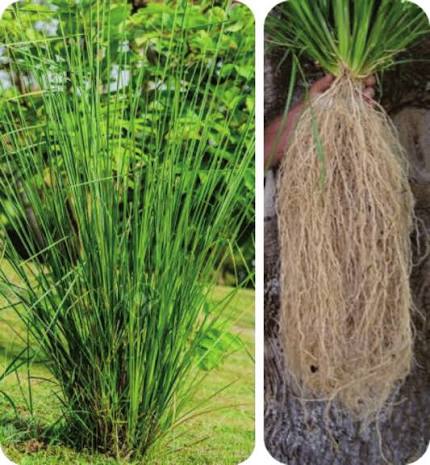
Dharini Vetiver is a selected variety of vetiver grass developed for soil conservation, strong root growth and aromatic-root production. It produces long, thick and densely packed roots that grow deep into the soil. These roots hold the soil firmly, reduce erosion and help stabilise slopes, embankments and water channels.
Phytosanitary certification and trackable worldwide shipping are included in the price.
The grass grows in upright clumps and can be planted in rows to create a natural barrier. These thick rows slow rainwater runoff, trap soil and sediment, and allow more water to enter the ground.
Dharini Vetiver can be planted on farms, hill slopes, pond banks, riverbanks, roadsides, construction sites and other areas where soil protection is required. It is also suitable for greywater treatment, landscaping, aromatic-root production and handicrafts.
Why Choose the Dharini Variety?
-
Produces longer, thicker and denser roots
-
Forms a strong underground network that holds soil firmly
-
Excellent variety for controlling soil erosion
-
Helps stabilise slopes, banks and loose soil
-
Tolerates sodic and difficult soil conditions
-
Suitable for soil and water-conservation projects
-
Produces aromatic roots with a traditional khus fragrance
-
Suitable for vetiver-oil production
-
Can be multiplied easily by dividing established clumps
-
Developed as a dual-purpose variety for soil binding and root-oil production
Dharini was released as an improved vetiver variety. Under suitable growing conditions and proper crop management, it has shown an essential-oil yield potential of approximately 39 kg per hectare.
Main Uses
-
Soil-erosion control
-
Slope and embankment stabilisation
-
Rainwater-runoff reduction
-
Soil-moisture conservation
-
Greywater and wastewater filtration
-
Aromatic-root and essential-oil production
-
Vetiver mats, baskets and handicrafts
-
Garden borders and landscaping
-
Mulching and compost material
Limited Fodder Use
Young and tender leaves may be offered to livestock in limited quantities. Mature vetiver leaves become coarse and fibrous, so vetiver should not be considered a primary fodder grass. Plants grown in polluted soil or wastewater-treatment areas must not be used as livestock feed.
Planting Instructions
Plant the rooted slips in moist soil and water them immediately. For an erosion-control hedge, plant the slips approximately 10–15 cm apart in a continuous row. For general cultivation or aromatic-root production, wider spacing can be used.
Keep the soil moist while the slips establish. Once properly established, vetiver is hardy and can tolerate periods of drought as well as temporary waterlogging.
Share