Botanika
Hybrid Napier Cuttings ,Super Napier Grass Stems , With Phytosanitary certificate
Hybrid Napier Cuttings ,Super Napier Grass Stems , With Phytosanitary certificate
No se pudo cargar la disponibilidad de retiro
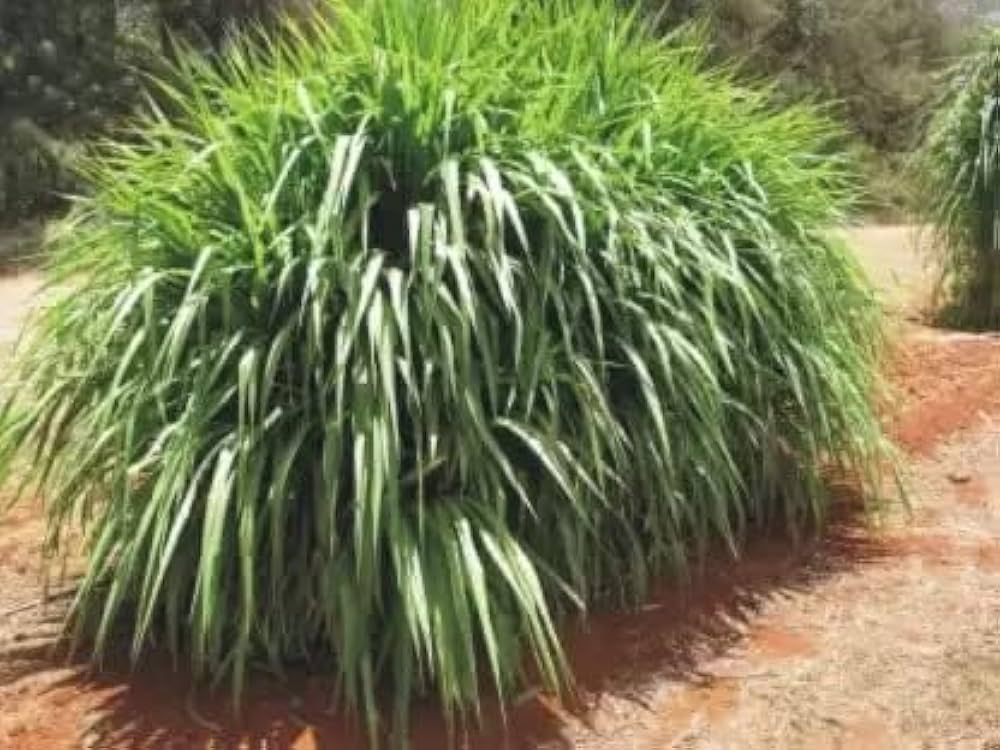
Super Napier Grass is a vigorous perennial fodder grass cultivated for producing large quantities of green forage for cattle, buffaloes, goats and sheep. Its rapid growth, broad leaves and strong regrowth after harvesting make it suitable for dairy farms, livestock holdings and tropical fodder-production systems.
Phytosanitary certification and trackable worldwide shipping are included in the price.
Botanical information
-
Commercial name: Super Napier Grass
-
Botanical name: Pennisetum purpureum × Pennisetum glaucum
-
-
Common names: Hybrid Napier, Super Napier, Elephant Grass Hybrid
-
Family: Poaceae
Product specifications
| Attribute | Details |
|---|---|
| Product type | Fresh stem cuttings |
| Planting material | Stems containing viable nodes/buds |
| Growth habit | Tall, perennial and clump-forming |
| Primary use | Green fodder and cut-and-carry forage |
| Suitable livestock | Cattle, buffaloes, goats and sheep |
| Harvest type | Multicut |
| Climate | Tropical and subtropical |
| Preferred soil | Fertile, well-drained soil |
| Light requirement | Full sunlight |
| Propagation | Stem cuttings or rooted slips |
Key features
-
Fast-growing perennial fodder grass
-
Produces abundant green biomass
-
Broad, leafy and palatable growth
-
Regrows after every properly managed harvest
-
Suitable for repeated cutting
-
Useful for dairy and livestock farms
-
Can be fed fresh or used in properly prepared silage
-
Suitable for tropical and subtropical climates
-
Established vegetatively from viable stem nodes
Planting instructions
Plant the cuttings promptly after receiving them. Each cutting should contain healthy, viable nodes. Place the stems horizontally or at a slight angle in moist, prepared soil, ensuring that at least one node is covered.
Maintain adequate moisture during establishment, but avoid prolonged waterlogging. Apply organic manure or suitable fertilizer according to local soil-test recommendations. Regular irrigation and nutrient management support faster establishment and vigorous regrowth.
Harvesting and feeding
The first harvest should be taken only after the plants are well established. Subsequent harvesting can be scheduled according to local climate, plant growth and required fodder quality. Younger leafy growth is generally more tender and palatable than overmature, fibrous stems.
Introduce Super Napier gradually as part of a balanced livestock diet. It should not be used as the sole source of nutrition without professional animal-feeding guidance.
Share