Botanika
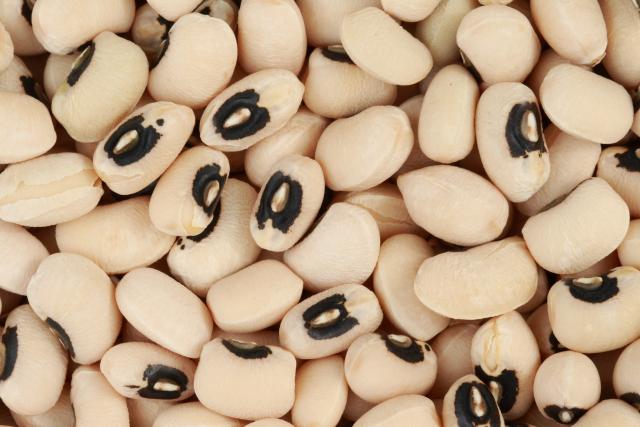
1 Kg Cowpea Fodder Seeds , Vigna unguiculata | With Phytosanitary Certificate
1 Kg Cowpea Fodder Seeds , Vigna unguiculata | With Phytosanitary Certificate
Impossible de charger la disponibilité du service de retrait
Cowpea Fodder Seeds – Vigna unguiculata | Phytosanitary Certificate & Tracked Shipping Included
Product Description
Cowpea is a fast-growing, protein-rich legume capable of producing approximately 20–28 tonnes of green fodder per hectare under favourable irrigated conditions and recommended crop management. The crop is normally ready for fodder harvest within approximately 50–55 days, providing a quick and economical source of nutritious forage.
Cowpea fodder is suitable for cattle, dairy cows, buffaloes, goats and sheep. Its leafy growth offers good palatability, while its nitrogen-fixing roots can contribute to soil fertility. It is also suitable for intercropping with fodder maize, sorghum and other cereal forage crops.
This 900 g pack can sow approximately 360 m², or about 0.09 acre, when planted at the recommended seed rate of 25 kg per hectare.
A phytosanitary certificate and tracked international shipping are included. Contact us before ordering if you require bulk quantities.
Product Specifications
| Attribute | Details |
|---|---|
| Product Name | Cowpea Fodder Seeds |
| Botanical Name | Vigna unguiculata |
| Common Names | Cowpea, Fodder Cowpea, Lobia |
| Pack Size | |
| Seed Type | Open-pollinated and untreated |
| Crop Type | Fast-growing annual legume fodder |
| Recommended Seed Rate | Approximately 25 kg per hectare |
| Approximate Coverage | 360 m² / 0.09 acre per 900 g |
| Recommended Spacing | 30 × 15 cm |
| Fodder Harvest | Approximately 50–55 days after sowing |
| Preferred Harvest Stage | Around 50% flowering |
| Potential Green-Fodder Yield | Approximately 20–28 tonnes per hectare |
| Suitable Climate | Tropical and subtropical regions |
| Suitable For | Cattle, buffaloes, goats and sheep |
| Uses | Fresh green fodder, mixed forage and hay |
| Documentation | Phytosanitary certificate included |
| Delivery | Tracked international shipping included |
| Bulk Orders | Contact us for price and availability |
Key Benefits
-
Fast-growing fodder crop with a short production cycle.
-
Produces nutritious, leafy forage for livestock.
-
Suitable for cattle, dairy cows, buffaloes, goats and sheep.
-
Can be harvested approximately 50–55 days after sowing.
-
Useful as fresh green fodder or for haymaking.
-
Suitable for intercropping with maize or sorghum.
-
Leguminous roots fix atmospheric nitrogen and can support soil fertility.
-
Helps diversify farm-grown livestock feed.
-
Suitable for small farms, dairy units and commercial fodder production.
-
Phytosanitary documentation and tracked international delivery included.
Cultivation Guide
Climate
Cowpea is a warm-season crop suited to tropical and subtropical climates. Plant after the risk of frost has passed and when the soil is warm enough for reliable germination. In seasonal-rainfall regions, sowing may be timed for the beginning of the rainy season.
Local planting times differ by country and climate. Consult a local agricultural adviser for recommendations specific to your region.
Soil
-
Grows best in fertile, well-drained sandy-loam or loamy soil.
-
Avoid fields exposed to prolonged waterlogging.
-
A moderately acidic to neutral soil is generally suitable.
-
Conduct a soil test before planting whenever possible.
Land Preparation
-
Plough or cultivate the land two or three times to obtain a fine seedbed.
-
Remove weeds and large crop residues.
-
Incorporate well-decomposed farmyard manure or compost before sowing.
-
Prepare rows or ridges according to local irrigation and rainfall conditions.
Seed Rate and Sowing
-
Recommended seed rate: Approximately 25 kg per hectare.
-
Row spacing: Approximately 30 cm.
-
Plant spacing: Approximately 15 cm.
-
Sow directly into moist soil.
-
Plant approximately 2–3 cm deep, depending on soil texture.
-
Cover the seeds lightly and maintain adequate moisture during germination.
Irrigation
-
Irrigate immediately after sowing if adequate rainfall is unavailable.
-
Provide light irrigation during crop establishment.
-
Continue irrigation approximately every 7–10 days, depending on soil type, rainfall and temperature.
-
Avoid excessive irrigation and standing water.
Fertilizer and Soil Fertility
Cowpea is a nitrogen-fixing legume, but this does not mean that fertilizer is never required. Apply compost, farmyard manure and other nutrients according to soil-test results and local recommendations.
Using a compatible cowpea Rhizobium inoculant may improve nodulation and nitrogen fixation where the correct bacteria are not already present in the soil.
Weed Management
-
Keep the field weed-free during early crop development.
-
Carry out the first weeding approximately 20–25 days after sowing.
-
Perform additional weeding if required.
Harvesting
-
Harvest approximately 50–55 days after sowing.
-
The preferred fodder stage is around 50% flowering.
-
Harvesting at the correct stage helps balance fodder yield, protein content, fibre and palatability.
-
Generic fodder cowpea should normally be treated as a single-cut crop unless the supplied variety is specifically identified and recommended as multicut.
-
Actual maturity and yield depend on climate, soil, irrigation and crop management.
Livestock-Feeding Guidance
Cowpea fodder may be fed fresh, wilted or mixed with cereal fodders such as maize and sorghum. Introduce it gradually and include it as part of a balanced ration.
Avoid allowing hungry livestock to consume large quantities of lush legume fodder suddenly, as this may increase the risk of digestive discomfort or bloat. Consult a veterinarian or livestock nutritionist when developing feeding rations.
International Shipping
Your order includes:
-
Phytosanitary certificate
-
Tracked international shipping
-
Shipment tracking details after dispatch
Bulk Orders
Need a larger quantity for a dairy farm, livestock project, distributor or commercial fodder operation?
Please contact us before ordering for:
-
Current bulk availability
-
Wholesale pricing
-
Large-pack options
-
Export documentation requirements
-
Shipping quotation and estimated dispatch time
Important Notice
Germination, crop establishment, maturity, nutritional composition and yield vary according to seed storage, climate, soil fertility, irrigation, pests and cultivation practices. Production figures are potential estimates under suitable management and are not guaranteed.
Share