Botanika
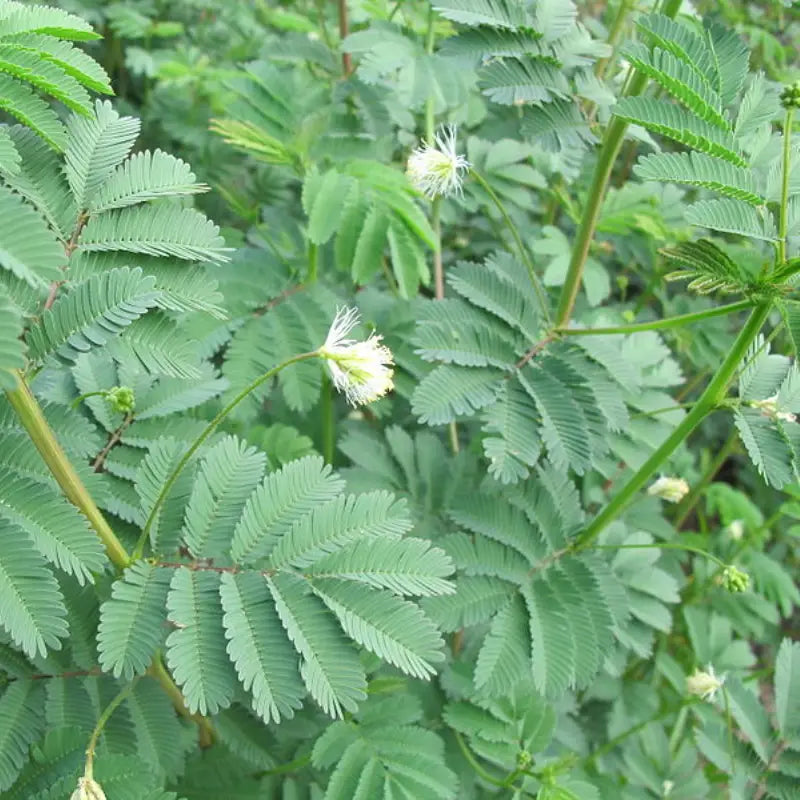
1 Kg Hedge Lucerne Seeds , Desmanthus virgatus | With Phytosanitary Certificate
1 Kg Hedge Lucerne Seeds , Desmanthus virgatus | With Phytosanitary Certificate
Impossible de charger la disponibilité du service de retrait
Hedge Lucerne Seeds (Velimasal Seeds) – 1 kg
Botanical Name: Desmanthus virgatus
Includes: Phytosanitary Certificate
Hedge Lucerne, also known as Velimasal, is a nutritious perennial leguminous fodder crop suitable for cattle, dairy cows, buffaloes, goats and sheep. It produces leafy green forage and can be harvested repeatedly after establishment. Its perennial growth habit makes it suitable for regular fodder production, pasture development and mixed forage systems.
Fodder Uses
-
Produces nutritious, protein-rich green fodder.
-
Suitable for cattle, buffaloes, goats and sheep.
-
May be fed fresh, chopped or mixed with grass fodder.
-
Regrows after cutting and provides multiple harvests.
-
As a leguminous crop, it can support soil fertility through biological nitrogen fixation.
Planting Instructions
-
Growing season: Sow throughout the year under irrigated conditions. For rain-fed cultivation, sow at the beginning of the rainy season.
-
Soil: Best results are obtained in well-drained soil with a fine seedbed.
-
Seed rate: Approximately 20 kg per hectare.
-
Land preparation: Plough the land two or three times and prepare ridges and furrows about 50 cm apart.
-
Seed treatment: For improved germination, place the seeds in hot water at approximately 80°C for five minutes. Wash them with cold water, soak overnight and shade-dry before sowing.
-
Sowing: Sow the treated seeds shallowly in moist soil and cover lightly.
-
Irrigation: Irrigate immediately after sowing, again on the third day, and thereafter according to soil moisture and local weather conditions.
-
Weed management: Carry out the first weeding approximately 25 days after sowing. Additional weeding may be done when required.
Maturity and Harvest
-
Growth habit: Perennial fodder crop.
-
First fodder harvest: Approximately 75–90 days after sowing, depending on climate, soil fertility and crop growth.
-
Subsequent harvests: Approximately every 45–50 days.
-
Harvesting method: Cut the plants above ground level while leaving sufficient stem for healthy regrowth.
-
Regular irrigation and timely harvesting encourage tender foliage and repeated fodder production.
Cultivation performance, germination, maturity and harvesting intervals may vary according to climate, soil, irrigation and local farming practices.
Share