Botanika
1 kg Napier Grass Seeds (Cenchrus purpureus) – Worldwide Shipping ,High-Yield Fodder |
1 kg Napier Grass Seeds (Cenchrus purpureus) – Worldwide Shipping ,High-Yield Fodder |
Impossible de charger la disponibilité du service de retrait
High-Yield, Multi-Cut Fodder for Livestock
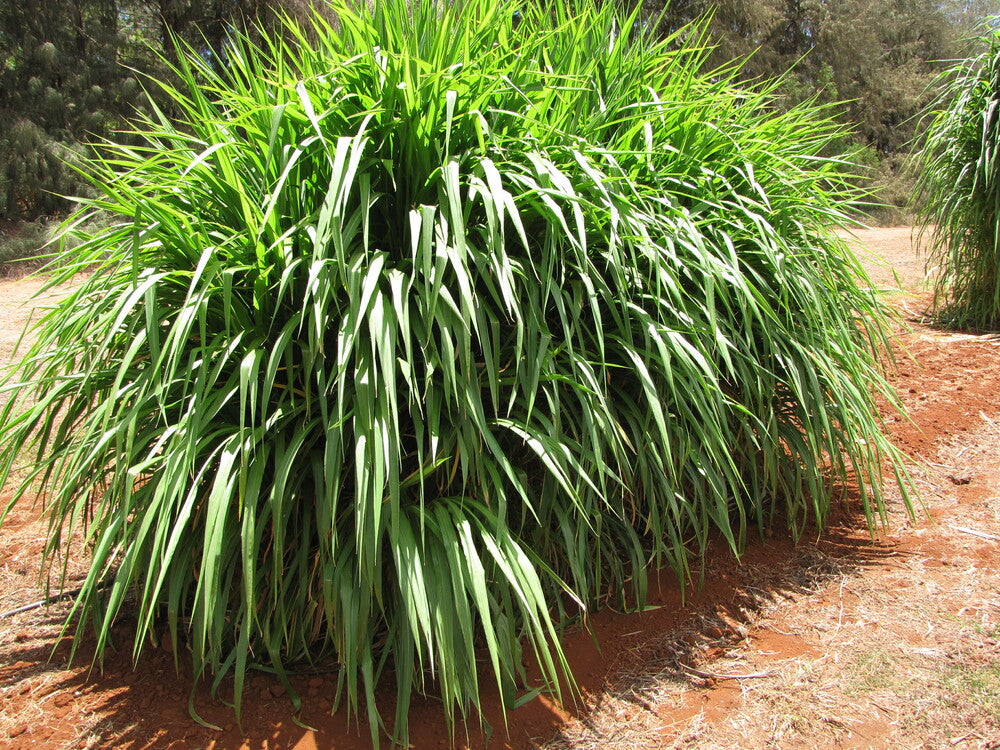
Napier grass, also known as Elephant grass, is a fast-growing perennial fodder grass suited to warm tropical and subtropical regions. It produces large quantities of green forage for cattle, buffaloes, goats, sheep and other livestock.
Its current botanical name is Cenchrus purpureus (Schumach.) Morrone. It was previously classified as Pennisetum purpureum Schumach.
Phytosanitary certification and trackable worldwide shipping are included in the price.
Key Features
-
Perennial, multi-cut fodder grass
-
Fast growth and strong tillering
-
Produces high quantities of green biomass
-
Suitable for cattle, buffaloes, goats and sheep
-
Useful for fresh feeding and cut-and-carry systems
-
Can be used for silage when properly prepared
-
Regrows after harvesting
-
Drought tolerant after successful establishment
-
Best suited to warm climates with adequate moisture
Crop Maturity and Harvesting
First harvest:
Seed-grown Napier grass may be ready for its first harvest approximately 90–120 days after sowing, or when it reaches around 1–1.2 metres in height. Establishment time varies considerably with seed quality, temperature, rainfall and soil fertility.
Subsequent harvests:
After establishment, later cuts may generally be taken every 6–8 weeks under favourable tropical conditions.
Cutting height:
Leave at least 15 cm above ground level when harvesting. Cutting too close to the ground can damage tillers and reduce regrowth.
Harvest while the plants are green and leafy. Overmature Napier becomes coarse and stemmy, which may reduce palatability and feeding quality.
Growing Conditions
-
Climate: Tropical and subtropical
-
Temperature: Warm conditions are preferred
-
Sunlight: Full sunlight
-
Soil: Fertile, well-drained soil
-
Water: Regular moisture supports rapid growth
-
Drainage: Avoid prolonged waterlogging
-
Frost: Napier grass is sensitive to frost
-
Fertilizer: Responds well to nitrogen and balanced soil nutrition
Prepare a fine, weed-free seedbed and sow the seeds shallowly. Keep the soil consistently moist during germination and early establishment, without flooding it. Because germination can vary between seed lots, follow the tested germination information printed on the package when calculating the sowing rate.
Suitable Uses
-
Fresh green livestock fodder
-
Cut-and-carry feeding
-
Dairy cattle and buffalo feed
-
Goat and sheep fodder
-
Silage production
-
Commercial fodder farming
-
Soil-conservation barriers
-
Windbreak and biomass production
Feeding Guidance
Chop mature stems and leaves before feeding to reduce waste and make the fodder easier for animals to consume. Introduce new fodder gradually and combine it with a balanced livestock ration.
Feeding value varies with plant age, cultivar, fertilizer and harvest interval. Consult a local veterinarian or livestock nutritionist when preparing complete feed rations.
Package Details
-
Product: Napier Grass Seeds
-
Botanical name: Cenchrus purpureus
-
Former botanical name: Pennisetum purpureum
-
Net weight: 1 kg
-
Crop type: Perennial multi-cut forage grass
-
Country of origin: India
International Orders
Phytosanitary certification and trackable worldwide shipping are included in the price.
Share