Botanika
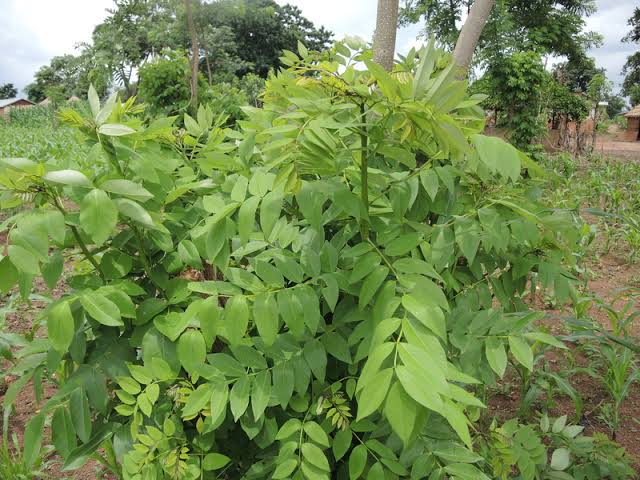
1 Kg Gliricidia Fodder Tree Seeds ,Gliricidia sepium, Worldwide Shipping, Protein Rich Livestock Forage,
1 Kg Gliricidia Fodder Tree Seeds ,Gliricidia sepium, Worldwide Shipping, Protein Rich Livestock Forage,
Couldn't load pickup availability
Protein-Rich Supplementary Forage for Ruminant Livestock ,Gliricidia sepium is a fast-growing, nitrogen-fixing fodder tree commonly known as Gliricidia, Madre de Cacao, Mexican Lilac or Quickstick. Its leaves and tender young stems are used as supplementary forage for cattle, buffaloes, goats and sheep.
Gliricidia tolerates repeated pruning and produces new leafy branches after cutting. It is also widely planted as a living fence, green-manure tree, shade tree, windbreak and support tree for climbing crops.
International Orders
Phytosanitary certification and trackable worldwide shipping are included in the price.
Key Features
-
Fast-growing perennial fodder tree
-
Produces protein-rich leaves and tender shoots
-
Suitable for cut-and-carry feeding
-
Provides repeated harvests after establishment
-
Useful as a livestock protein bank
-
Fixes atmospheric nitrogen
-
Adds organic matter to the soil
-
Suitable for living fences and farm boundaries
-
Can provide shade in livestock and plantation systems
-
Propagated through seeds or stem cuttings
-
Tolerates regular pruning and lopping
-
Useful in tropical agroforestry systems
Botanical Information
-
Botanical name: Gliricidia sepium
-
Common names: Gliricidia, Madre de Cacao, Mexican Lilac and Quickstick
-
Family: Fabaceae
-
Plant type: Perennial legume tree
-
Primary fodder use: Supplementary cut-and-carry forage for ruminants
Fodder Quality
Gliricidia foliage generally contains approximately:
-
Crude protein: 18–30% of dry matter
-
The actual nutritional value varies according to plant age, soil fertility, rainfall, season and cutting interval. Young leafy material normally provides better-quality forage than old, woody branches.
Suitable Livestock
Gliricidia foliage may be used as supplementary feed for:
-
Cattle
-
Buffaloes
-
Goats
-
Sheep
It should be mixed with grasses, hay, straw, crop residues or other established feeds. Gliricidia is a protein supplement and should not be promoted as a complete livestock ration.
Growing Conditions
-
Climate: Tropical and warm subtropical regions
-
Rainfall: Growth is fastest above approximately 900 mm annually, although established trees can grow in areas receiving around 400 mm
-
Soil: Adaptable to clay, loam, sand and some rocky or degraded soils
-
Drainage: Requires suitable drainage and does not tolerate prolonged waterlogging
-
Sunlight: Full sunlight is preferred
-
Cold: Young plants may be damaged by frost
-
Drought: Established trees tolerate seasonal dry periods
Sowing and Establishment
Gliricidia can be established from seeds or mature stem cuttings.
For seed propagation:
-
Sow in a nursery container or directly in prepared soil.
-
Cover the seeds lightly.
-
Maintain consistent moisture during germination.
-
Transplant nursery-grown seedlings after they develop a strong root system.
-
Protect young plants from livestock until they are fully established.
Spacing depends on the intended use. Close spacing may be used for hedges and protein banks, while wider spacing is suitable for shade trees and agroforestry.
Harvesting and Cutting
First harvest:
Take the first substantial fodder cut approximately 8–12 months after sowing, when the plants are well established.
Cutting height:
Cut approximately 50–100 cm above ground level, leaving enough branches and foliage for healthy regrowth.
Later harvests:
Subsequent cuts may generally be taken every 2–4 months, depending on rainfall, temperature and plant growth.
Gliricidia tolerates repeated cutting well. Avoid excessive harvesting during establishment or severe drought.
Feeding Instructions
Animals unfamiliar with fresh Gliricidia may initially reject it because of its strong smell. Introduce it gradually over several days.
Wilting the freshly cut leaves and tender branches in shade for approximately 12–24 hours can improve acceptance. Offer the wilted foliage mixed with familiar grass or dry fodder.
Moderate inclusion—often around 20–30% of the forage portion—may be used as a practical starting range for adapted ruminants, but the correct quantity depends on the animal, ration and local nutritional advice.
Other Agricultural Uses
Gliricidia can also be grown for:
-
Green leaf manure
-
Nitrogen fixation and soil improvement
-
Living fences and boundary planting
-
Shade for cacao, coffee and tea
-
Support for black pepper and vanilla vines
-
Alley cropping
-
Erosion control
-
Rehabilitation of degraded land
-
Mulch production
-
Firewood, charcoal and farm poles
-
Bee forage and ornamental flowers
International Orders
Phytosanitary certification and trackable worldwide shipping are included in the price.
Important Information
Germination, growth, harvesting time, fodder quality and yield depend on the seed lot, climate, soil, rainfall and farm management.
Share