Botanika
10 Grams VBH 129 F1 Hybrid Eggplant Seeds | High-Yield Brinjal Variety
10 Grams VBH 129 F1 Hybrid Eggplant Seeds | High-Yield Brinjal Variety
Couldn't load pickup availability
VBH 129 F1 Hybrid Eggplant Seeds | High-Yield Brinjal Variety
In Stock | Bulk Quantities Available | International Shipping Available
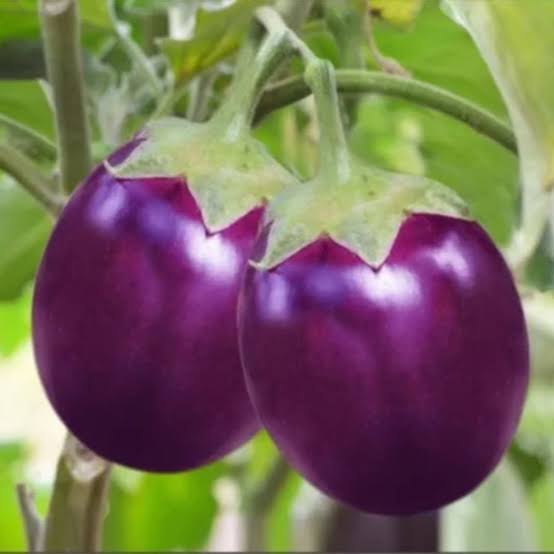
VBH 129 F1 is a high-yielding hybrid eggplant (brinjal) variety known for its early bearing, vigorous plant growth, and uniform round fruits. It produces attractive purple brinjals with a pinkish shade, smooth skin, and excellent colour retention.
The fruits generally weigh approximately 200–250 g and have a smooth, green, non-spiny calyx that makes harvesting and handling easier. With its strong heat tolerance and adaptability, VBH 129 F1 is suitable for Kharif, Rabi, and summer cultivation under appropriate regional conditions.
Product Specifications
| Specification | Details |
|---|---|
| Product Name | VBH 129 F1 Hybrid Eggplant Seeds |
| Crop | Eggplant/Brinjal |
| Variety Name | VBH 129 F1 |
| Variety Type | F1 Hybrid |
| Fruit Colour | Purple with an attractive pinkish shade |
| Fruit Shape | Uniform and round |
| Fruit Surface | Smooth and glossy |
| Approximate Fruit Weight | 200–250 g |
| Calyx | Green, smooth and non-spiny |
| Plant Growth | Strong and vigorous |
| Bearing Habit | Early and continuous under suitable conditions |
| First Harvest | Approximately 55–60 days after transplanting |
| Heat Tolerance | Suitable for warm to moderately hot conditions |
| Recommended Seasons | Kharif, Rabi and suitable summer periods |
| Cultivation Method | Nursery sowing followed by transplanting |
| Market Use | Fresh market, retail sales and household consumption |
| Bulk Availability | Available—contact us for quantities and prices |
| International Shipping | Available |
Key Features and Benefits
-
Early-bearing F1 hybrid brinjal
-
First harvest in approximately 55–60 days after transplanting
-
Attractive purple fruits with a pinkish shade
-
Uniform round fruit shape
-
Approximate fruit weight of 200–250 g
-
Smooth and glossy fruit surface
-
Good colour retention
-
Green, smooth and non-spiny calyx
-
Strong and vigorous plant growth
-
High yield potential under proper management
-
Suitable for warm and moderately hot regions
-
Recommended for multiple growing seasons
-
Suitable for commercial cultivation and home gardening
-
Retail and bulk quantities available
-
Domestic and international shipping options available
Fruit Characteristics
VBH 129 F1 produces attractive fruits suitable for fresh markets, retail displays, and household consumption.
-
Purple colour with a pinkish shade
-
Uniform round shape
-
Smooth, glossy appearance
-
Approximate weight of 200–250 g per fruit
-
Good colour retention
-
Green, non-spiny calyx
-
Convenient harvesting and handling
-
Good market presentation
Actual fruit colour, size, weight, and uniformity may vary according to temperature, soil fertility, irrigation, plant nutrition, crop load, and harvesting stage.
Why Choose VBH 129 F1?
VBH 129 F1 combines early harvesting with strong plant vigour and uniform fruit quality. Its vigorous growth supports repeated fruit development under favourable field conditions, while its attractive colour and round shape provide good fresh-market appeal.
Commercial Advantages
-
Early harvesting supports quicker market entry.
-
Uniform fruits simplify grading and packing.
-
Attractive colour improves retail presentation.
-
Non-spiny calyx makes harvesting more convenient.
-
Strong plants support continuous fruit production.
-
Heat tolerance supports cultivation in warmer regions.
-
Good fruit size contributes to marketable yield.
-
Multiple-season suitability allows flexible crop planning.
Sowing and Cultivation Details
| Cultivation Factor | Recommendation |
|---|---|
| Recommended Seasons | suitable summer periods |
| Sowing Method | Nursery sowing followed by transplanting |
| Row-to-Row Spacing | Approximately 60–75 cm |
| Plant-to-Plant Spacing | Approximately 45–60 cm |
| Commercial Seed Rate | Approximately 80–100 g per acre |
| Preferred Soil | Fertile, well-drained loamy soil |
| Recommended Soil pH | Approximately 6.0–7.5 |
| Recommended Climate | Warm to moderately hot |
| First Harvest | Approximately 55–60 days after transplanting |
These recommendations are general guidelines. Adjust sowing time, spacing, irrigation, and nutrition according to local climate, soil conditions, and agricultural advice.
General Cultivation Guidelines
-
Sow seeds in a clean, fertile, and well-drained nursery medium.
-
Maintain sufficient nursery moisture without waterlogging.
-
Transplant healthy seedlings at the appropriate growth stage.
-
Select a sunny field with fertile, well-drained soil.
-
Maintain approximately 60–75 cm between rows.
-
Maintain approximately 45–60 cm between plants.
-
Incorporate well-decomposed organic matter before transplanting.
-
Irrigate immediately after transplanting.
-
Maintain consistent soil moisture during flowering and fruit development.
-
Avoid prolonged drought or waterlogging.
-
Follow soil-test-based fertilizer recommendations whenever possible.
-
Monitor regularly for fruit and shoot borers, whiteflies, aphids, mites, wilt, and leaf diseases.
-
Use locally approved integrated pest-management practices.
-
Harvest fruits while tender, glossy, and market-ready.
-
Pick regularly to encourage continued flowering and fruit production.
Germination Information
Quality eggplant seeds can provide good germination under suitable temperature, moisture, storage, and sowing conditions. Refer to the product label for the officially tested germination percentage and production-lot details.
Germination may be affected by:
-
Seed age and storage
-
Growing-medium temperature
-
Sowing depth
-
Moisture availability
-
Nursery hygiene
-
Seed treatment or coating
-
Production-lot characteristics
Pest and Disease Management
Hybrid vigour can support healthy crop establishment, but it does not guarantee resistance to every pest, disease, or environmental stress.
For better crop health:
-
Use clean nursery media and healthy seedlings.
-
Follow crop rotation.
-
Maintain good field drainage.
-
Avoid excessive irrigation.
-
Remove severely affected plants and plant material.
-
Monitor the crop regularly.
-
Follow locally recommended pest- and disease-management practices.
-
Use crop-protection products only according to approved label directions.
Order VBH 129 F1 Hybrid Eggplant Seeds for early harvesting, attractive round fruits, and high-yield brinjal cultivation.
Share